
ADHD emotional dysregulation is the reduced ability to control how fast, how intensely, and how long an emotion lasts. It isn’t a character flaw. It’s a brain-based difference in how the ADHD nervous system processes feelings.
If one offhand comment from a coworker can wreck your entire afternoon, ADHD may be part of the reason.
This guide explains what ADHD emotional dysregulation actually is, why it happens in the brain, and what genuinely helps.
Research summarized by the American Psychological Association found that 30% to 70% of adults with ADHD experience significant emotion dysregulation.
That’s not a rare side effect. For a lot of adults with ADHD, it’s the symptom that causes the most day-to-day damage.
By the end of this guide, you’ll know the difference between a normal bad mood and ADHD-driven dysregulation, plus specific ways to shorten the reaction and recover faster.
- What Is ADHD Emotional Dysregulation, Really?
- Why This Happens in the ADHD Brain
- What It Looks Like: Signs and Everyday Examples
- Rejection Sensitive Dysphoria: The Piece Most People Miss
- How It Shows Up in Relationships and at Work
- Coping Strategies You Can Start Today
- When CBT Helps More Than Self-Help Alone
- Getting Support in NYC
- FAQ
What Is ADHD Emotional Dysregulation, Really?
ADHD emotional dysregulation means your emotional reactions arrive faster, hit harder, and last longer than the situation calls for.
It’s not the same as being “too sensitive” or lacking self-control.
It’s a documented feature of how ADHD affects the brain, not a personality flaw.
Until 2013’s diagnostic criteria update, it wasn’t officially part of the ADHD definition at all.
That’s part of why so many adults with ADHD go years without connecting their reactions to their diagnosis.
The reason comes down to brain wiring, not willpower.
Why This Happens in the ADHD Brain
In ADHD, the amygdala — the brain’s alarm system — reacts faster and more intensely to stress.
At the same time, the prefrontal cortex, which normally puts the brakes on a strong reaction, works less efficiently.
That combination means the alarm goes off loud, and the brake pedal responds late.
Cleveland Clinic explains that ADHD affects “the part of your brain that controls emotional processes,” making it harder to shift from upset back to calm.
Dopamine and norepinephrine, the same brain chemicals tied to attention, are also tied directly to mood regulation.
This is a wiring issue, not a discipline issue. That distinction matters, because it changes what actually helps.
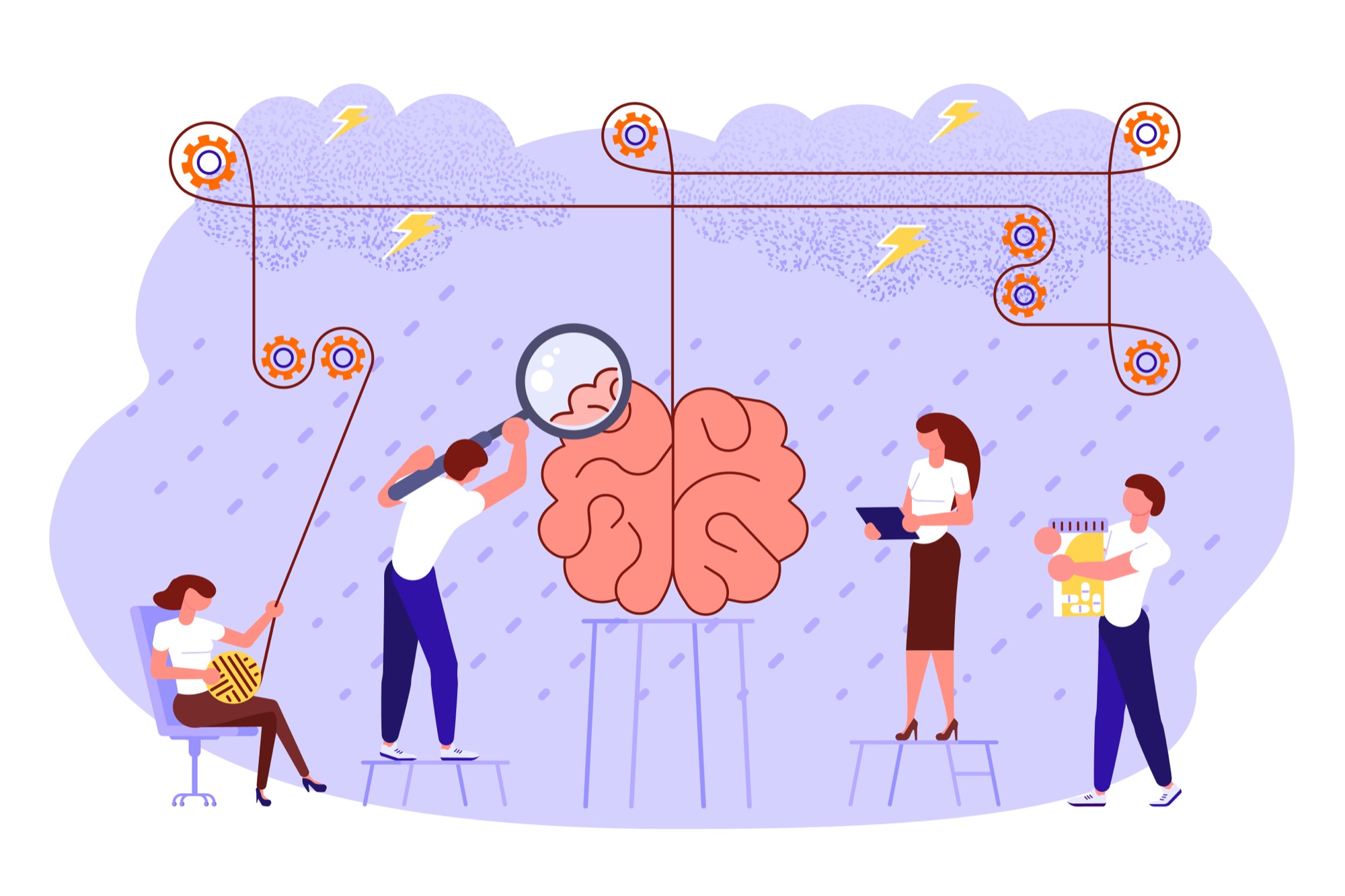
What It Looks Like: Signs and Everyday Examples
Emotional dysregulation shows up as a “0 to 100” jump, not a gradual buildup.
One second you’re fine. The next, you’re furious, in tears, or completely shut down.
A missed text can feel like a betrayal.
A typo in an email can trigger an hour of quiet shame spiraling.
Small frustrations — a lost sock, a delayed train — can produce a reaction that feels wildly out of proportion, even to you.
Afterward, many adults with ADHD describe a wave of guilt or embarrassment about how they reacted.
That guilt cycle is exhausting on its own, separate from whatever triggered it in the first place.

Ready for a fast, focused path forward?
Dr. Ori offers goal-focused Cognitive Behavioral Therapy in Midtown Manhattan.
Rejection Sensitive Dysphoria: The Piece Most People Miss
Rejection Sensitive Dysphoria, or RSD, is one of the most common — and least talked about — parts of ADHD emotional dysregulation.
RSD is an intense emotional reaction to real or perceived rejection, criticism, or failure.
It can feel physically painful, not just emotionally uncomfortable.
A vague “we should talk” message from a boss can spiral into hours of dread.
A joke that lands wrong can feel like a personal attack, even when nothing was meant by it.
RSD isn’t its own official diagnosis. It’s a pattern clinicians increasingly recognize as part of how ADHD affects emotional processing.
Naming it tends to bring real relief, because it turns a confusing pattern into something explainable.
How It Shows Up in Relationships and at Work
At home, dysregulation can look like snapping at a partner over something small, then feeling terrible an hour later.
At work, it can mean a defensive reaction to feedback that was meant constructively.
Over time, this pattern can strain relationships that otherwise work well.
Partners and coworkers don’t always see the internal speed of the reaction. They just see the outburst.
That mismatch is often where the real damage happens, not in the original moment itself.
If this overlaps with a broader pattern of running hot and never fully settling, it’s worth reading our guide on coping with high-functioning anxiety as a companion piece.
Recognizing the pattern is the first step toward changing how it plays out.
Coping Strategies You Can Start Today
None of these fix ADHD. They shorten the reaction and speed up recovery.
The five-second pause. Before responding to a trigger, count to five. It’s small, but it interrupts the automatic reaction long enough to choose a response.
Name the feeling. The R.A.I.N. method — recognize, allow, investigate, and don’t take it personally — helps separate the emotion from the story your brain builds around it.
Protect sleep and meals. Fatigue and hunger measurably worsen emotional spikes in ADHD. A skipped lunch can turn a minor annoyance into a major one.
Write it down before you react. A two-minute delay, used to jot down what you’re actually feeling, often changes the whole outcome.
These strategies help most people some of the time. They rarely work for everyone all of the time, and that’s normal, not a failure.

Take the next step with Dr. Ori
Schedule a free 15-minute consultation to see if CBT is right for you.
When Cognitive Behavioral Therapy Helps More Than Self-Help Alone
Self-help strategies have a ceiling. For a lot of adults, that ceiling arrives fast.
Cognitive behavioral therapy is one of the most evidence-backed approaches for ADHD-related emotional dysregulation, alongside acceptance and commitment therapy and dialectical behavior therapy.
CBT works by targeting the thought patterns that turn a small trigger into a major reaction — the exact gap between the alarm firing and the brake catching up.
Unlike generic advice, therapy builds skills specific to your actual triggers, not a one-size-fits-all list of tips.
If a five-second pause and a journal aren’t enough anymore, that’s not a personal failure.
It’s a sign the next step is professional support, not more willpower. Our overview of cognitive behavioral therapy in NYC covers how that process actually works.

Getting Support in NYC: What Working With a CBT Therapist Looks Like
Dr. Ori works with adults in Midtown Manhattan using goal-focused CBT, built around the specific triggers that drive your reactions, not a generic script.
Therapy for ADHD emotional dysregulation typically starts with mapping your actual patterns — the situations, thoughts, and body sensations that show up right before a reaction takes over.
From there, sessions focus on real tools: catching the trigger earlier, building tolerance for discomfort, and repairing relationships strained by past reactions.
This overlaps with adult ADD and ADHD more broadly — see our ADHD vs. ADD in adults guide if you’re still sorting out which pattern fits.
If ADHD-driven reactions have been costing you at work or at home, a focused course of CBT can shift that pattern faster than most people expect.
Frequently Asked Questions
What does emotional dysregulation look like with ADHD?
It looks like an emotional reaction that arrives faster and hits harder than the situation calls for — going from calm to intense anger, tears, or shutdown in seconds. Afterward, many people feel confused or embarrassed about how strong the reaction was.
What causes emotional dysregulation in ADHD?
ADHD affects the brain regions that manage emotional response, particularly the amygdala and prefrontal cortex. The amygdala reacts faster to stress, while the prefrontal cortex — which normally slows a reaction down — works less efficiently, so the emotional “brake” arrives late.
What is Rejection Sensitive Dysphoria (RSD)?
RSD is an intense emotional reaction to real or perceived rejection, criticism, or failure, common in ADHD. It can feel physically painful, and even a neutral comment can trigger hours of distress.
Can therapy help with ADHD emotional dysregulation?
Yes. Cognitive behavioral therapy is one of the most evidence-backed treatment approaches, alongside acceptance and commitment therapy and dialectical behavior therapy. Therapy targets the specific thought patterns and triggers behind your reactions, which self-help strategies alone usually can’t reach.
How can I stop overreacting to small things?
Start with strategies that shorten the reaction, like a five-second pause before responding and naming the feeling as it happens. If those aren’t enough, that’s a sign to bring in professional support rather than a personal failure.
If this pattern sounds familiar — reacting faster and harder than the moment calls for, then feeling guilty about it afterward — it’s worth naming out loud, ideally with someone trained to help you work through it.
Ready to build a plan for moments like these? Learn about ADHD and CBT support with Dr. Ori.