
Fear is a normal human emotion that we all experience from time to time but, if you feel like your fear controls your life, then it might actually be phobia vs fear.
There is nothing shameful about having fears or phobias, but it’s important to understand the difference between phobia vs fear in order to tackle them properly.
Here is everything you need to know about phobia vs fear.
Fear vs Phobia: Key Differences at a Glance
People often search for the difference between fear and a phobia, and the distinction comes down to intensity, duration, and impact on daily life. Fear helps protect you. A phobia tends to interrupt your routine and feels impossible to control.
Here’s a simple breakdown:
A phobia is considered a mental health condition and often benefits from treatment.
Fear is a temporary response to a real or anticipated threat. It usually fades once the moment passes.
A phobia is a long lasting, disproportionate fear that leads to avoidance and distress, even when you know you’re safe.
Fear may cause discomfort but doesn’t limit your daily life.
A phobia can interfere with work, relationships, or activities because the fear feels so intense.
Fear is common and part of being human.
Phobia vs Fear: Definitions
While it can be difficult to tell when you’re in the moment, having a phobia is not the same thing as being afraid of something.
Here are some important distinctions between a phobia and a fear.
Examples of Fears vs Phobias
Feeling uneasy when you look over the edge of a tall building is a normal fear, but avoiding elevators, bridges, or high floors because the sensation feels overwhelming is a phobia.
Similarly, many people dislike needles yet still get through routine medical appointments, while others delay or avoid care because the anxiety feels uncontrollable.
These examples show how fears are usually temporary and manageable, while phobias can significantly interfere with daily life.
What Is Fear?

Fear is a human response that alerts us of a present danger.
It can stem from both real situations and imagined or anticipated dangers.
And in extreme cases, it can also be a symptom of a panic disorder or even PTSD.
Physical symptoms of fear can include trembling, sweating, or having an upset stomach.
Many reactions to fear can be classified as either fight, flight, freeze or fawn.
When we “fight”, our brain tries to fight off the fear, often with a physical or verbal altercation.
The “flight” response refers to our instinct to try and escape the fearful situation.
Conversely, the “freeze” response causes one to freeze or become quiet until the danger passes, while the “fawn” response is when one tries to please or tame whatever is causing the fear.
What Is A Phobia?
While fear is felt mostly in the moment, a phobia is a long term, irrational, and uncontrollable fear of a certain object or concept.
Up to 20 million Americans report having a phobia, and they can be caused by genetic factors, environmental factors, or a triggering experience.
Common phobias include heights, vomiting, and even dentists.
Facing your fear can put a dent in your day, but oftentimes, a phobia causes you to go out of your way to avoid encountering it.
Ultimately, a phobia may prohibit leading a normal life, which is why it’s important to get help.
Fear and Phobia Similarities
Fear and phobias come from the same biological system, even though they show up differently in daily life.
Both activate the body’s fight, flight, freeze, or fawn response and can lead to physical symptoms like sweating, trembling, or stomach discomfort.
They’re both rooted in the nervous system’s instinct to protect you.
The key difference is that with a phobia, the alarm system stays active even when the threat isn’t present or isn’t actually dangerous.
When Fear Becomes A Phobia
Many people search for how to tell the difference, so this section gives a clear answer.
A fear may be turning into a phobia when it stays with you for months or years, feels out of proportion to the actual level of danger, and leads you to avoid situations connected to it.
It can also interfere with daily life or cause distress even when you’re only anticipating the feared situation.
Schedule an appointment with dr ori
Are you ready to start living fully?
To learn more about individual therapy schedule your FREE 15-minute consultation and we’ll help determine if our services are a good fit for you.
Phobia vs Fear: Seeking Help For Phobias
So, you’ve recognized that you are dealing with phobia vs fear and that you need help.
That’s already a big and brave step.
Now, it’s time to see which approach works best for you!
Cognitive Behavioral Therapy
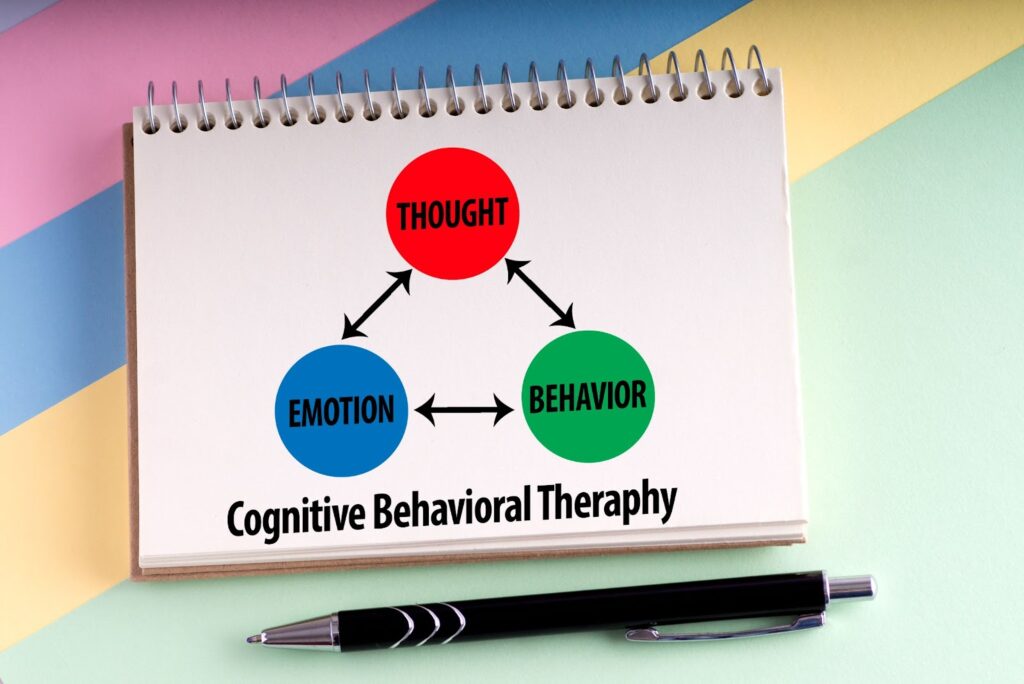
Cognitive Behavioral Therapy (CBT) is a psychological treatment model that focuses on changing maladaptive thought and behavioral patterns.
In effect, CBT treatments help the patient reframe their thoughts and change their behaviors to better cope with their personal challenges and triggers.
Through CBT, you can learn to face your phobia rather than avoid it, as well as find healthy ways to cope with your phobia should you encounter it.
Patients can expect to see results after several sessions with a trained professional.
Exposure Therapy

Exposure Therapy is another psychological technique designed to directly help patients face their fears.
Psychologists create a safe, controlled environment in which the patient can “experience” their phobia.
This safe exposure helps to reduce fear and increase avoidance.
When it comes to phobia vs fear, if you’re unsure of which one you’re dealing with, a professional will also be able to help you figure that out.
Again, there should be no shame in experiencing fear or having a phobia, but fear should not be the emotion that leads your everyday decisions.
Hopefully you now have some tools to better understand both concepts.
When you feel ready to seek professional help, it is always available and encouraged.
Fear is part of life, not your whole life!

FAQ For Phobia vs Fear
What’s the main difference between a fear and a phobia?
A fear is a natural response to something that feels threatening, while a phobia is an intense, persistent fear that leads you to avoid a situation or object even when there’s no real danger.
How do I know if my fear has become a phobia?
A fear may be a phobia if it causes extreme anxiety, feels hard to control, or leads you to change your daily routine to avoid the trigger.
Can a phobia go away on its own?
A phobia rarely goes away on its own. Most people see improvement through therapy, especially approaches that help you face the fear gradually and safely.
What causes phobias to develop?
Phobias can develop from past trauma, learned behavior, or a genetic tendency toward anxiety, and sometimes they appear without a clear cause.
How are phobias treated in therapy?
Phobias are often treated with cognitive behavioral therapy, exposure therapy, and strategies that help you manage anxious thoughts and physical symptoms.
When should I seek professional help for a phobia?
You should seek help if your fear is disrupting your routine, causing strong physical anxiety, or limiting activities you want or need to do.